
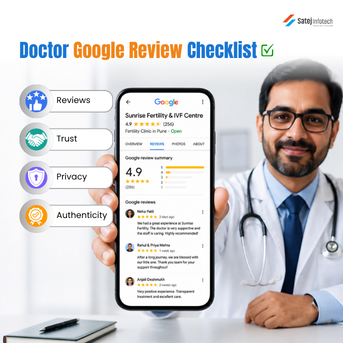
Doctor Google Review Checklist: 10 Things to Check Before You Build a Review Strategy
A practical guide for doctors who want to build genuine patient feedback while protecting privacy, professionalism, and trust.
Google reviews can influence how prospective patients perceive a doctor or clinic.
When someone searches for a doctor, they may look at the clinic’s Google Business Profile, read patient feedback, check the website, and then decide whether they want to make an enquiry.
But building a strong review profile isn’t about simply collecting as many 5-star reviews as possible.
It should be about creating a system for genuine patient feedback.
Before you start—or change—your review strategy, use this 10-point checklist.
For a broader framework covering the key elements of your online presence, see our Google Visibility Checklist for Doctors.
1. Are Your Reviews Genuine?
Start with the basics.
Ask:
☐ Is the review from a real patient?
☐ Does it describe their genuine experience?
☐ Are you avoiding fabricated or misleading reviews?
A strong online reputation should be built on real experiences, not manufactured praise.
The goal:
Genuine feedback—not artificial ratings.
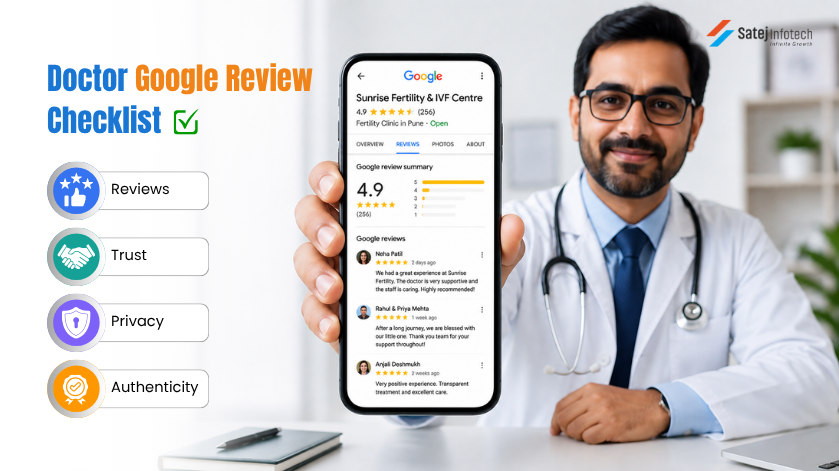
2. Are You Asking for a Review—or a 5-Star Review?
There is an important difference between asking for feedback and asking for a specific rating.
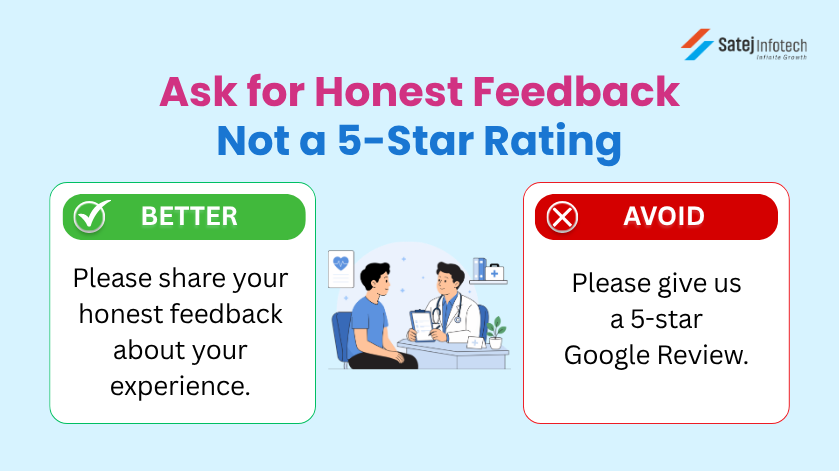
Better:
“We’d appreciate your honest feedback about your experience.”
Avoid:
“Please give us a 5-star Google Review.”
The first invites the patient to share their genuine experience.
The second attempts to influence the rating.
A simple rule:
Ask for honest feedback, not a predetermined rating.
3. Are You Selectively Collecting Reviews?
Take a look at how your review process works.
Ask yourself:
☐ Are you only approaching patients who had a positive experience?
☐ Are unhappy patients being discouraged from leaving feedback?
☐ Is your system designed to collect genuine feedback?
The purpose of a review strategy should not simply be to create a perfect-looking rating.
Negative feedback can also provide an opportunity to understand where the patient experience can improve.
Focus on:
Authenticity over perfection.
4. Are You Offering Incentives?
Review your process for incentives.
Ask:
☐ Are you offering a discount in exchange for a review?
☐ Are you offering a gift or benefit?
☐ Is the benefit connected to leaving a favourable review?
Be particularly careful about creating a system where patients feel that they need to leave a positive review to receive something.
The safer principle:
Patient feedback should be voluntary and genuine—not purchased through incentives.
5. Are the Reviews Authentic?
Look at who is actually leaving reviews.
Ask:
☐ Are staff members pretending to be patients?
☐ Are friends or family members posting as patients?
☐ Are reviews being purchased?
☐ Are you writing reviews on behalf of patients?
These practices can create a misleading picture of your patient experience.
Never manufacture patient experiences.
Your online reputation should reflect real patients and real experiences.
6. Are You Protecting Patient Privacy?
This becomes particularly important when you take a Google review and reuse it somewhere else.
For example, you may want to share a review on:
- Your website
- A brochure
- Another marketing channel
Before doing so, ask:
☐ Does it reveal the patient’s name?
☐ Does it reveal their medical condition?
☐ Does it reveal their treatment?
☐ Does it contain other identifiable information?
A review being publicly visible on Google does not automatically mean that every detail should be republished elsewhere.
Think carefully about privacy before reusing patient feedback.
Before republishing patient feedback across social media or your website, also review our Patient Testimonial & Social Media Checklist.
7. Are You Turning Reviews Into Advertisements?
A genuine review can provide useful insight into a patient’s experience.
But how you present it matters.
Ask:
“Am I simply displaying genuine feedback, or am I using this patient’s experience to promote my practice?”
Pay particular attention when a review is combined with:
- Strong promotional language
- Treatment claims
- Outcome promises
- “Best doctor” claims
- Before-and-after content
- Aggressive CTAs
The review itself may be genuine.
The marketing message surrounding it still needs to be reviewed.
For a broader check of promotional wording and healthcare marketing claims, see our Doctor Marketing Claims Checklist.
8. Are You Adding Claims to the Patient's Words?
This is an easy mistake to make.
Imagine a patient writes:
“I had a good experience.”
That is their feedback.
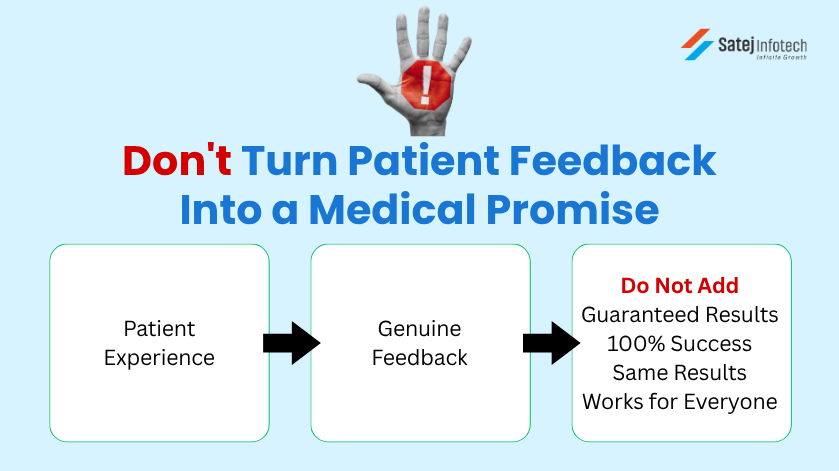
But you shouldn’t turn it into:
“Our treatment guarantees excellent results.”
The second statement is a marketing claim made by the practice.
Remember:
The patient’s words don’t automatically make your added marketing claim acceptable.
Review the original review and everything you add around it.
9. Are You Using Reviews to Make Outcome Promises?
One patient’s experience should not become a promise to every future patient.
Avoid statements such as:
❌ “See why our patients always get results.”
❌ “You can get the same results.”
❌ “Our treatment works for everyone.”
These statements can create unrealistic expectations.
A patient’s experience is individual.
Keep the distinction clear:
Patient experience ≠ Guaranteed patient outcome
The same principle is important when creating treatment-related videos, which you can review using our Patient Treatment Video Checklist.
10. Are You Responding to Reviews Professionally?
Your response to a review is public too.
So think carefully before replying.
Avoid revealing:
- Diagnosis
- Treatment details
- Medical history
- Private patient information
Even if the patient has mentioned their condition publicly, don’t assume that you should repeat or expand on confidential information in your response.
Keep your response:
Professional + General + Respectful
For example:
“Thank you for sharing your feedback. We appreciate you taking the time to share your experience.”
Simple.
Professional.
And without revealing private medical information.
For additional guidance on professional and compliant public-facing content, review our NMC-Safe Posting Checklist for Doctors.
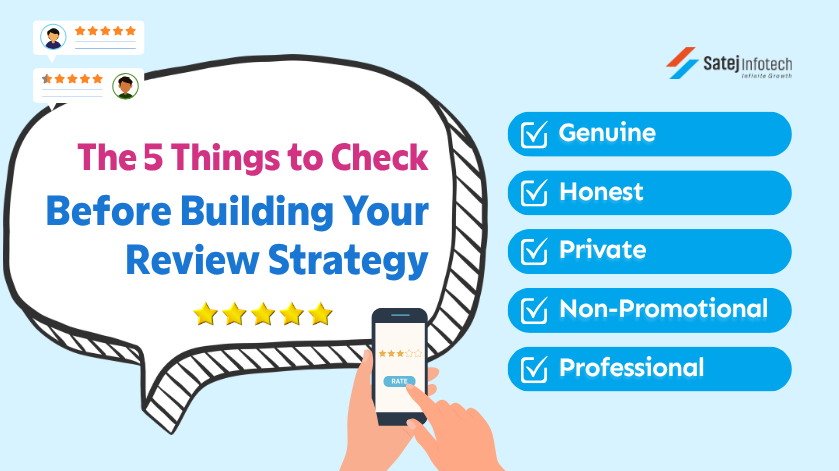
✅ Before Implementing Your Review Strategy, Ask 5 Questions
REAL?
Is the review genuine?
HONEST?
Am I asking for feedback rather than a specific rating?
PRIVATE?
Am I protecting patient information?
NON-PROMOTIONAL?
Am I avoiding turning a patient’s experience into a medical promise?
PROFESSIONAL?
Would I be comfortable explaining this review strategy professionally?
✅ If you can answer yes to all five, you’re heading in the right direction.
The Key Takeaway
A strong Google review profile isn’t about manufacturing a perfect reputation.
It’s about creating a system that encourages genuine patient feedback.
Don’t buy reviews.
Don’t manufacture patient experiences.
Don’t pressure patients for a particular rating.
And don’t turn one patient’s experience into a promise for everyone else.
Build your online reputation through genuine patient feedback—not manufactured praise or guaranteed outcomes.
If you want to evaluate your wider online presence beyond reviews, use our 5-Point Doctor Profile Check.
Want More Practical Marketing Guidance for Doctors?
Google reviews are only one part of your online presence.
Your Google Business Profile, website, local SEO, social media, content, and patient communication all work together to influence how patients discover and evaluate your practice.
At Doctor Growth System by Satej Infotech, we help doctors build a stronger digital presence through:
Our services include:
- Google Business Profile Optimization
- Local SEO
- Social Media Strategy
- Doctor Branding
- Content Planning
- Healthcare Website Development
- Patient-focused Digital Marketing
Want a FREE 15 Min Marketing Audit for Your Practice?
Click the WhatsApp button below. 💬 Message “FREE 15 min Marketing Audit” on WhatsApp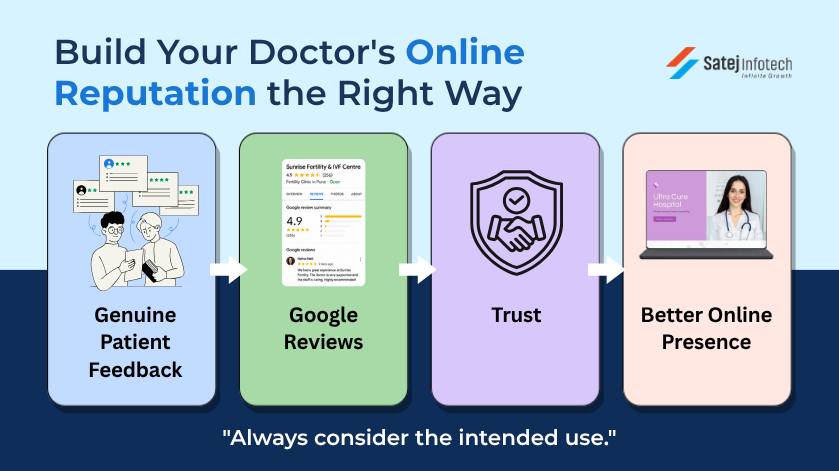
Frequently Asked Questions
Doctors can seek genuine patient feedback, but the approach should be carefully considered. Asking for honest feedback is different from asking patients to leave a specific rating such as five stars.
A review strategy should focus on genuine feedback rather than directing patients toward a predetermined rating. A better approach is to ask patients to share their honest experience.
Doctors should avoid tying discounts, gifts, or other benefits to favourable reviews. Reviews should reflect genuine patient experiences rather than an incentive.
No. Reviews should represent genuine patient experiences. Purchased or fabricated reviews can misrepresent the practice's actual patient experience.
A doctor may want to reuse publicly available feedback, but should still consider patient privacy, context, and applicable professional requirements before republishing it on another platform.
Doctors should not manipulate genuine patient feedback to create a more favourable impression. If a review is being republished, preserve its authenticity and consider privacy before doing so.
Doctors and clinics can respond professionally to reviews, but should be careful not to disclose confidential patient information or discuss diagnoses and treatment details publicly.
Doctors should be cautious about turning an individual patient's experience into a general treatment-outcome claim. One patient's experience does not guarantee that another patient will have the same outcome.